Thursday, May 29, 2025

Air and water pollution: A public health concern requiring proactive measures

 May 26, 2025

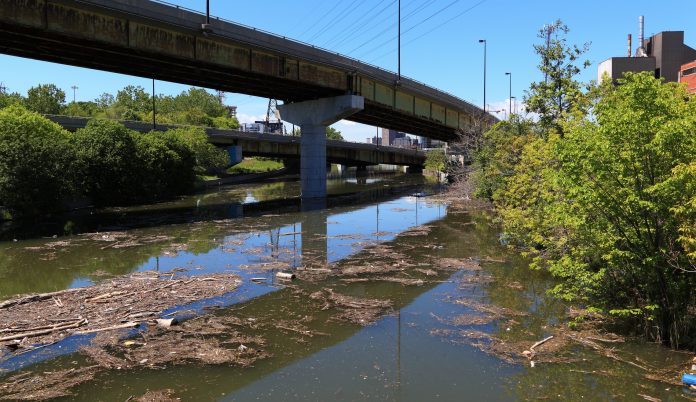
Garbage and debris pollute this waterway under an overpass.
Image: © waymoreawesomer | iStock

Ian Culbert, Executive Director of the Canadian Public Health Association, discusses the health impacts of air and water pollution and steps needed to mitigate their impact

The health of Canadians is inextricably linked to the health of our environment. Clean air and water are fundamental determinants of health, yet pollution continues to pose challenges to communities across the country. The Canadian Public Health Association (CPHA) recognizes the need for policies that protect the environment as a means of safeguarding public health. Air and water pollution are not just environmental issues – they are public health matters that require coordinated action at all levels of government and society.

The public health impact of air pollution

Air pollution is one of the most significant environmental health risks facing Canadians. According to Health Canada, air pollution contributes to approximately 15,300 premature deaths annually in Canada, with billions of dollars in associated healthcare costs and lost productivity. Exposure to fine particulate matter (PM2.5), nitrogen oxides (NOx), and ground-level ozone is linked to respiratory illnesses, cardiovascular diseases, and increased susceptibility to infections, including COVID-19.

Children, older adults, and individuals with pre-existing conditions are more vulnerable to the effects of air pollution. Low-income and other structurally disadvantaged communities, whose homes are often located near industrial facilities or high motor vehicle traffic areas, experience higher exposure levels, exacerbating existing health inequities. Addressing air pollution is not only an environmental priority but also a matter of health equity.

While Canada has made progress in reducing some pollutants, climate change is influencing air quality through increased wildfires and heatwaves. Wildfire smoke is now a major source of PM2.5 pollution, with health effects that are widespread and difficult to mitigate. Strengthening air quality standards, reducing fossil fuel dependency, and enhancing monitoring of pollutants that impact public health can help improve overall air quality.

The water pollution challenge

Clean water is also essential for human health, yet many Canadians still face risks from contaminated drinking water and polluted waterways. Industrial runoff, agricultural waste, and aging infrastructure contribute to the presence of heavy metals, pesticides, and pathogens in water sources. In particular, too many Indigenous communities continue to struggle with boil water advisories and inadequate access to safe drinking water.

Microplastics and pharmaceutical contaminants are emerging concerns that require regulatory attention. Studies have detected microplastics in drinking water sources across Canada, with unknown long-term health implications. Meanwhile, the presence of pharmaceutical residues in water supplies poses risks to both human and ecosystem health, necessitating stricter controls on disposal and wastewater treatment.

Climate change is affecting water quality by intensifying extreme weather events, increasing the risk of floods and contamination. Ensuring the safety of Canada’s water systems requires investment in infrastructure, strengthened regulations on industrial and agricultural pollutants, and improved access to safe drinking water for all communities.

Policy solutions for a healthier future

The intersection of environmental and public health calls for evidence-based responses. CPHA encourages federal, provincial, and municipal governments to adopt the following measures to mitigate air and water pollution:

  1. Strengthen air quality standards:
  2. Advance clean energy and transportation:
  3. Expand pollution monitoring and public reporting:
  4. Modernize water infrastructure:
  5. Enhance industrial and agricultural regulations:
  6. Promote environmental equity:

A call to action

The health impacts of air and water pollution can be mitigated through proactive measures. Canada has both the knowledge and resources to lead in environmental health policy, yet action must be sustained. Governments, industries, and communities must work together to implement solutions that protect public health while addressing environmental challenges.

CPHA is committed to advocating for policies that recognize the intrinsic connection between environmental stewardship and public health. By taking thoughtful and effective steps today, we can help ensure a healthier environment for all Canadians.

No comments:

Post a Comment

Scientists from Russia and Vietnam discover new antimicrobial compounds in marine sponges

  Scientists from the G. B. Elyakov Pacific Institute of Bioorganic Chemistry of the Far Eastern Branch of the Russian Academy of Sciences, ...